Somatic Therapy San Francisco: How Healing Happens Through The Body
In a fast-paced cities like San Francisco, stress, burnout, and anxiety can easily be woven into the fabric of everyday life. Many people use traditional talk therapy to process their experiences but increasingly, therapists and clients are discovering that healing doesn’t just happen through words. It also happens through the body.
This is where somatic therapy comes in. By bridging the gap between the healing that occurs with words alone and the deeper healing that happens in the body, somatic therapy allows greater emotional and mental healing to happen.
If you’ve been searching for somatic therapy San Francisco, you may already be curious about how body-based approaches can support emotional wellbeing. In this article, we’ll explore what somatic therapy is, how it works, and why many people are integrating it into their mental health care.
What Is Somatic Therapy?
Somatic therapy is an umbrella term that refers to any body-centered approach to psychotherapy that recognizes the deep connection between the mind and the nervous system. Rather than focusing only on thoughts and emotions, somatic therapies helps people notice physical sensations, movement patterns, breath, and posture as part of the healing process.
Many experiences—especially chronic stress or trauma—can become stored in the body. Somatic therapy gently helps people release these patterns and restore a sense of safety and regulation.
One well-known modality in this field is Somatic Experiencing, developed by Peter A. Levine, which focuses on helping the nervous system complete stress responses that may have been interrupted during overwhelming experiences.
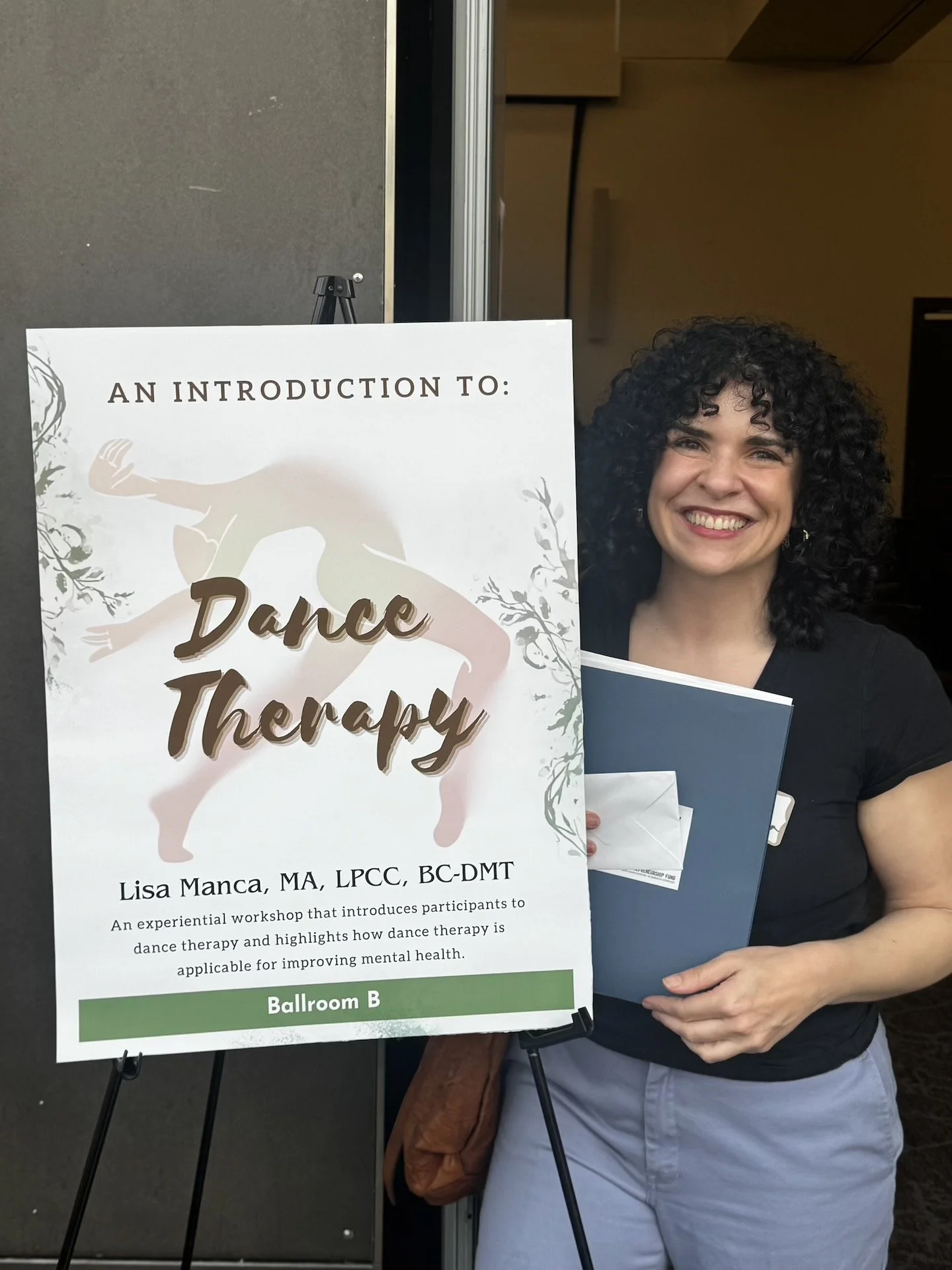
Another modality is dance therapy, a creative arts therapy that involves the psychotherapeutic use of movement to improve emotional, social, cognitive, and physical integration for the purpose of improving health and well-being of the individual.
Why Somatic Therapy Is Growing in San Francisco
The demand for somatic therapy San Francisco has grown significantly in recent years. The Bay Area is known for its innovative approaches to wellness as well as a curiosity and openness to new ways of thinking, and many people are looking for therapies that integrate mindfulness, neuroscience, and embodied awareness.
Several factors contribute to this growing interest:
High levels of workplace stress and burnout
Increased awareness of nervous system regulation and its benefits
The popularity of mindfulness and meditation practices
A desire for more experiential therapy approaches
Increasing stress due to unemployment in a changing tech environment
In a city where people often live in their head by thinking, planning, and solving problems, somatic therapy provides an invitation to reconnect with the body.
How Somatic Therapy Works
In a somatic therapy session, the therapist may guide clients to notice subtle physical sensations and emotional shifts as they talk about their experiences. The process is typically gentle and collaborative, meeting the client where they are at.
Sessions may include:
• Awareness of breath and bodily sensations
• Grounding techniques to support nervous system regulation
• Movement or posture exploration
• Tracking emotions as they arise in the body
• Slowing down the processing of difficult memories
The goal is not to relive trauma, but to help the body gradually release stored stress and develop greater resilience. By changing how the client lives in their body, it changes how they relate to the themselves and the world.
Somatic Therapy and the Nervous System
One of the core ideas behind somatic therapy is that the nervous system plays a major role in emotional health. When people experience prolonged stress or trauma, the body can become stuck in survival states such as fight, flight, freeze, or fawn.
Somatic therapy works to gently restore balance to the nervous system by increasing awareness and helping the body complete natural regulation cycles. Somatic therapists will help clients learn to regulate their nervous systems both in and outside of therapy sessions.
Over time, clients often report:
Feeling calmer and more grounded
Improved emotional regulation
Greater connection to their bodies
Reduced anxiety and stress symptoms
Movement-Based Somatic Therapy
Some somatic therapists integrate movement practices into their work. One example is Dance/Movement Therapy, a creative arts therapy that uses movement and dance to support emotional processing, self-expression, and growth.
Movement can help access emotions that may be difficult to put into words. For many people, creative expression through the body becomes a powerful tool for healing. If you have ever used a gesture or movement to express a feeling instead of words, you understand how the movement is essential to our expression.
In a city known for creativity, movement-based somatic practices are becoming an increasingly popular form of somatic therapy in San Francisco.
Who Can Benefit from Somatic Therapy?
People seek somatic therapy San Francisco to address a wide range of concerns, including:
Anxiety and chronic stress
Burnout
Trauma and PTSD
Relationship challenges such as dating anxiety
Feeling disconnected from the body
Difficulty regulating emotions
Somatic therapy can be particularly helpful for individuals who feel that traditional talk therapy has helped them understand their experiences intellectually but hasn’t fully resolved the emotional or physical patterns connected to those experiences.. Somatic therapy works from the bottom up by incorporating the body, whereas traditional talk therapy modalities such as cognitive behavioral therapy work from the top down by starting with the brain.
Finding Somatic Therapy in San Francisco
San Francisco has a vibrant community of therapists who integrate body-centered approaches into their work. When looking for a somatic therapist, it can be helpful to consider:
• The therapist’s training and credentials
• Whether they integrate movement or the creative arts
• Their experience with trauma-informed care
• Whether their approach feels collaborative and supportive
Because somatic therapy involves working with the nervous system and body awareness, finding a therapist you feel safe and comfortable with is especially important.
The Future of Somatic Therapy
As research on the mind-body connection continues to grow, somatic therapies are becoming increasingly recognized within the mental health field. Many therapists now integrate body-based approaches alongside cognitive and relational therapy methods.
For people seeking a more holistic approach to healing, somatic therapy in San Francisco offers a way to reconnect with the body, regulate the nervous system, and cultivate a deeper sense of wellbeing. Below are FAQs about somatic therapy in San Francisco.
Frequently Asked Questions About Somatic Therapy in San Francisco
What is somatic therapy?
Somatic therapy is a body-centered form of psychotherapy that focuses on the connection between physical sensations, emotions, and the nervous system. Rather than focusing only on thoughts, somatic therapy helps clients notice how experiences are held in the body and supports gentle release of stored stress.
How is somatic therapy different from traditional talk therapy?
Traditional talk therapy focuses primarily on thoughts, emotions, and cognitive patterns. Somatic therapy includes those elements but also brings attention to physical sensations, breath, posture, and movement to support deeper emotional processing.
Who benefits from somatic therapy?
Somatic therapy can be helpful for people experiencing anxiety, trauma, chronic stress, burnout, and emotional overwhelm. Many people seek somatic therapy in San Francisco when they want a more holistic or body-based approach to mental health.
Is somatic therapy evidence-based?
Research on body-based psychotherapy continues to grow. Many somatic approaches are informed by neuroscience and trauma research, which highlight the role of the nervous system in emotional regulation.
What happens during a somatic therapy session?
During a somatic therapy session, clients may be invited to notice bodily sensations, breathing patterns, or emotional shifts while discussing life experiences. Sessions may include grounding exercises, gentle movement, and techniques to help regulate the nervous system.
Lastly, if you have any questions about somatic therapy in San Francisco, please feel free to reach out at lisa@lisamanca.com.
Author Bio:
Lisa Manca, MA, LPCC, BC-DMT is a San Francisco-based licensed therapist and Board Certified Dance/Movement Therapist who specializes in somatic therapy in San Francisco for adults navigating anxiety, trauma, burnout, and disconnection. Drawing on her deep training in dance/movement therapy, Lisa helps clients move beyond the talking cure — inviting the body back into the healing process through gentle movement, breath, sensation, and creative expression.
Lisa works especially well with high-achievers, caregivers, and empaths who've spent years surviving by staying in their heads — and who are ready to come home to themselves. Her approach is compassionate, unhurried, and rooted in the belief that the body holds both our wounds and the path forward.
She offers in-person and online somatic therapy sessions in San Francisco, and is passionate about making body-centered healing accessible to anyone who has ever felt like a stranger in their own skin.
📍 Therapy San Francisco, CA | lisamanca.com | (415) 212-8780